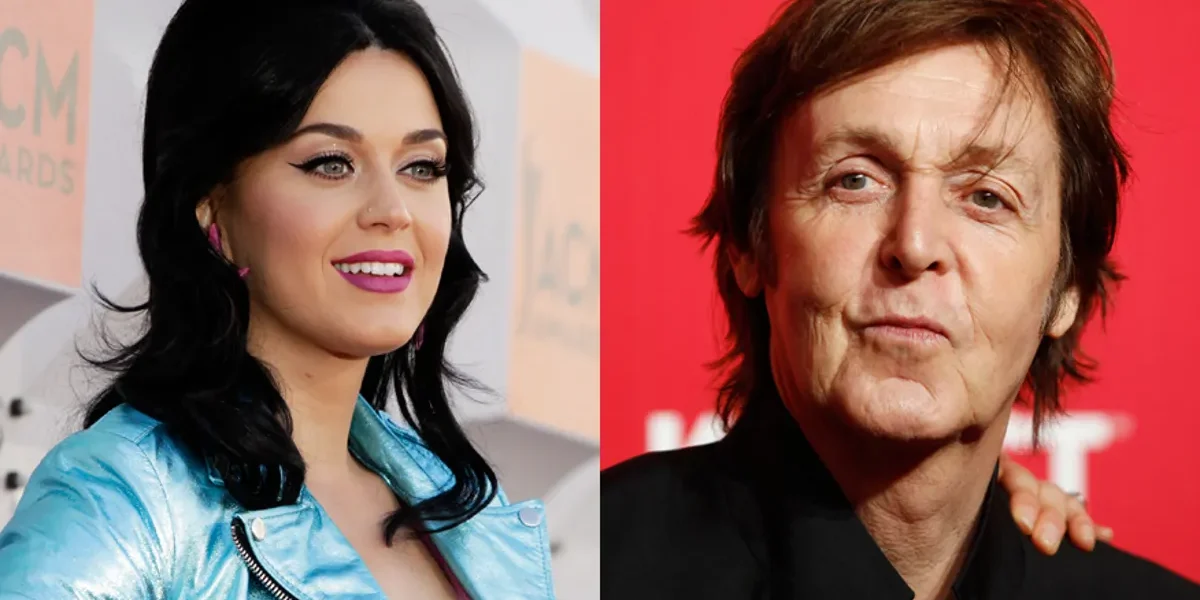

When I think about artists who have managed to stay meaningful across completely different eras of music, Paul McCartney and Katy Perry always come to mind, even though they built their careers in very different ways. I’ve spent years following the music industry, watching trends appear and disappear almost overnight, and one lesson keeps repeating itself. Lasting success rarely comes from following every new trend. It usually comes from understanding your own identity while remaining open to change. That’s something I admire in both artists. McCartney began his career during a period when bands shaped popular culture, and decades later people still connect with his songwriting because the emotions feel genuine instead of tied to a particular decade. Perry entered a completely different industry where digital platforms, social media, and streaming services influenced every career decision. Yet she also found a way to build songs that millions of people could immediately recognize. I find that comparison fascinating because it reminds me that great music doesn’t depend entirely on technology or marketing. It depends on creating moments people remember. Whenever I listen to McCartney, I notice how simple melodies can carry surprisingly deep emotions.
Then I switch to Perry, and I hear confidence, energy, and an ability to turn everyday experiences into catchy pop anthems. They approach music differently, but both understand their audiences remarkably well. I’ve worked with creative professionals who often worried about pleasing everyone, only to lose their own identity in the process. These two artists seem to have avoided that trap. They evolved without completely abandoning the qualities that made fans appreciate them in the first place. That balance is difficult to achieve. Many musicians either refuse to change or change so dramatically that longtime supporters struggle to recognize them. Watching these careers develop has reminded me that consistency doesn’t require repetition. It requires honesty. Even after decades of changing musical tastes, people continue discussing their performances, albums, interviews, and public appearances because there’s always genuine curiosity surrounding what they might do next. I think that curiosity comes from trust rather than hype. Audiences believe they’ll experience something authentic, and that expectation has real value in an industry where attention shifts quickly. Some careers burn brightly for only a short time. Others continue growing because people feel emotionally connected. That difference becomes obvious when you look at artists whose work continues reaching entirely new generations.
As I’ve followed popular music over the years, I’ve realized that comparing Paul McCartney and Katy Perry isn’t really about deciding who has had the bigger impact. Instead, I see it as an opportunity to understand how success changes from one generation to another while certain principles remain exactly the same. McCartney developed his reputation during an era when albums were treasured, radio carried enormous influence, and live performances built lasting relationships with fans. Perry entered a world where online conversations could shape public opinion within hours, and every release faced immediate reactions from listeners across the globe. Those environments couldn’t be more different, yet both artists learned to communicate through music before anything else. That’s probably why their careers continue attracting attention. I’ve often noticed that audiences eventually lose interest when an artist appears focused only on headlines instead of creativity. Strong songs have a longer life than temporary publicity. Both artists demonstrate that idea in different ways. McCartney’s catalog reflects decades of musical curiosity without losing warmth or sincerity.
Perry has consistently balanced commercial appeal with themes that many listeners find relatable, whether she’s singing about confidence, relationships, personal growth, or overcoming disappointment. I appreciate that neither career has been completely free of criticism. In fact, those difficult periods make their achievements feel more believable. Every successful creative professional experiences moments when public opinion shifts or expectations become almost impossible to satisfy. What matters is the response. I’ve experienced projects that didn’t produce the results I expected, and I learned far more from those situations than from the easy victories. Looking at these artists, I see similar resilience. They adapted instead of disappearing. They accepted change instead of resisting it completely. That willingness to continue moving forward often separates long careers from short ones. I also admire the way both artists connect with audiences outside recorded music. Interviews, charity work, public events, and collaborations all contribute to their public image, yet music remains the center of everything they do. That focus creates credibility. Fans may appreciate personality, but they usually stay because the work itself continues delivering value. Whenever younger musicians ask what creates lasting careers, I often think about examples like these because they demonstrate that popularity alone isn’t enough. It has to be supported by dedication, continuous improvement, and respect for the audience that made success possible in the first place.
The more I observe the music industry, the more convinced I become that artists like Paul McCartney and Katy Perry remind us why genuine creativity still matters despite constant changes in technology, marketing, and audience behavior. Streaming platforms may influence how people discover songs today, but emotional connection still determines whether listeners return months or years later. I’ve watched countless performers receive enormous attention for a brief moment only to fade as quickly as they appeared. That doesn’t seem to happen when artists build relationships with fans through authenticity and consistent effort. McCartney’s career demonstrates extraordinary longevity without losing artistic curiosity, while Perry represents how modern pop music can combine memorable melodies with messages that resonate across different audiences. I think there’s something encouraging about seeing two artists from completely different generations continue inspiring conversations among music lovers. It reminds me that good music isn’t limited by age, format, or changing trends. Instead, it travels naturally from one generation to the next because people continue sharing songs that meant something to them. I’ve introduced classic recordings to younger listeners who immediately appreciated the songwriting, just as I’ve recommended contemporary pop songs to older audiences who discovered unexpected depth beyond the catchy production.
Those moments reinforce an important lesson. Music becomes more meaningful when we stop dividing it strictly by generation and start appreciating the experiences behind it. That’s exactly why discussions about Paul McCartney and Katy Perry remain interesting. They represent different chapters in popular music while proving that dedication, adaptability, and honest artistic expression never become outdated. Every successful career follows its own path, and every artist faces unique obstacles, but the qualities that build lasting respect remain surprisingly similar. From my perspective, studying careers like these has made me appreciate not only great songs but also the discipline required to remain relevant through changing audiences, evolving technology, and constant public attention. It isn’t easy. Very few artists accomplish it. Yet when they do, they leave behind more than chart success. They create memories that listeners carry for years, and that kind of influence is something statistics alone can never fully measure.